
Flexible work doesn’t have to mean “always on.”
One of the key trends in Microsoft’s Work Trend Index 2022 focussed on the need for virtual teams to embrace new and advancing norms surrounding the concept of flexible work. Leaders can achieve this
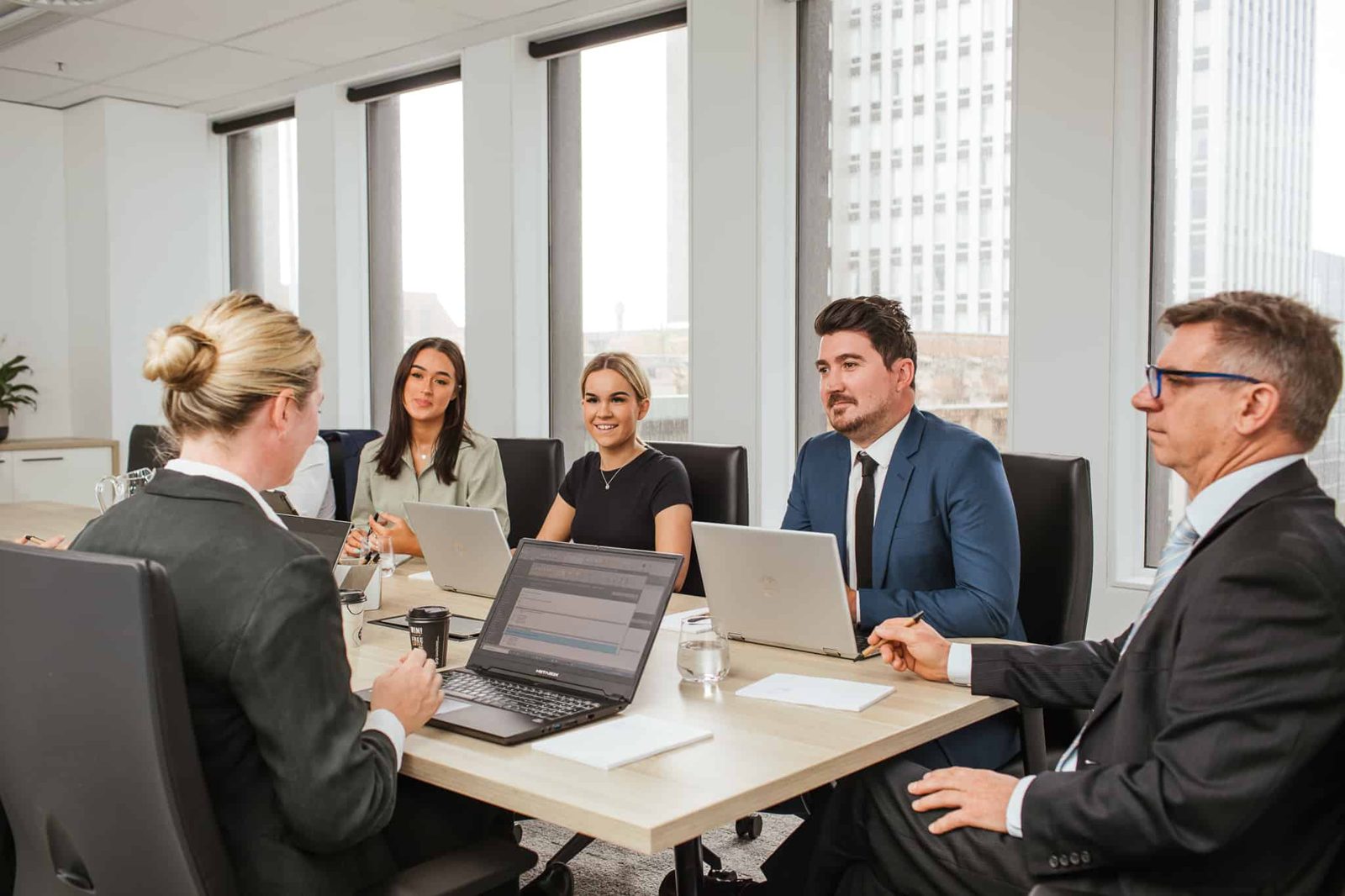
Work is more flexible, but digital overload is still a risk
The report found that since February 2020, there has been a 252% increase in weekly time spent in meetings for the average Teams user. With an additional 32% increase in chats sent per person since March 2020 with these figures continuing to rise. Notably, workday span for the average Teams user has increased more than 13% (46 minutes) since March 2020, and after-hours and weekend work has grown even more quickly, at 28% and 14%, respectively.Meeting habits are changing
Whilst the report evidences examples of digital overload, people are still making flexible work their own, subsequently taking control of their work day. Productivity patterns on Outlook show people are becoming more intentional about taking breaks, avoiding double booking, and establishing meeting-free work blocks. Compared to last year, teams are starting meetings later on Mondays and wrapping up earlier on Fridays. There are also fewer noon meetings, which may point to people taking a midday break. More employees are also using their vacation time, with out-of-office time blocks on calendars increasing by 10% in the past year.Finding the New Normal
Despite an increase in meetings overall, Microsoft has found that they are reducing in time and becoming more ad hoc. Employees are navigating the virtual space and are looking for ways to mimic casual “watercooler” conversations in the sense of unscheduled calls and messages. Findings from the report show that ad hoc calls have risen 8% in the past two years and now make up 64% of all Teams meetings. And meetings under 15 minutes now make up a majority of all meetings (60%) and are increasing more than any other meeting length (39% between February 2021 and 2022). “Because everyone is working at different times and in different places, it’s important to shift as much work as you can to be asynchronous and get really intentional about the use of the synchronous time you have together,” says Jaime Teevan, Microsoft’s Chief Scientist.Summary
Overall, Microsoft’s key findings demonstrate that employees are doing what they can to make flexible work their own but making flexible work sustainable long-term will require new team norms to guard against being “always on.” Read the full report here: Great Expectations: Making Hybrid Work WorkJOIN
FLEXIBLE WORKSPACE AUSTRALIA
Flexible Workspace Australia is the peak body for coworking and flexible workspace providers and partners across all cities and regions of Australia.
Fiona Mayor
Contributor
Related articles
5 Tips for Better Hygiene in Your Coworking Space
Hygiene isn’t the most glamorous part of running a coworking space, but it’s one of the most important. With so many people moving through shared spaces each day—working at hot desks, using shared kit
How to Cater for Every Type of Meeting in Your Coworking Space
For today’s hybrid workforce, coworking spaces need to accommodate for a wide range of meetings, from quick catch-ups to large presentations. Providing the right mix of meeting spaces can significantl
Here’s Why Coworking Can Be a Secret Weapon for Growth for Small Business.
Why Coworking is a Secret Weapon for Small Businesses Coworking has become a game-changer for small businesses, providing innovative solutions that fuel growth, boost productivity, and create valuable
Industry newsletter
Stay ahead of the flex curve
Join Australia's flexible workspace community and get the latest industry news, research, events and member-only offers delivered straight to your inbox.
- Monthly industry insights & research
- Early access to events and offers
- News from members, sponsors and partners