
Designing for Movement: A Practical Playbook to Lift Coworking Occupancy
Occupancy follows satisfaction, and satisfaction improves when spaces help members move without friction. Australian adults sit for about 9 hours per day. Breaking up sitting every 30 minutes reduces
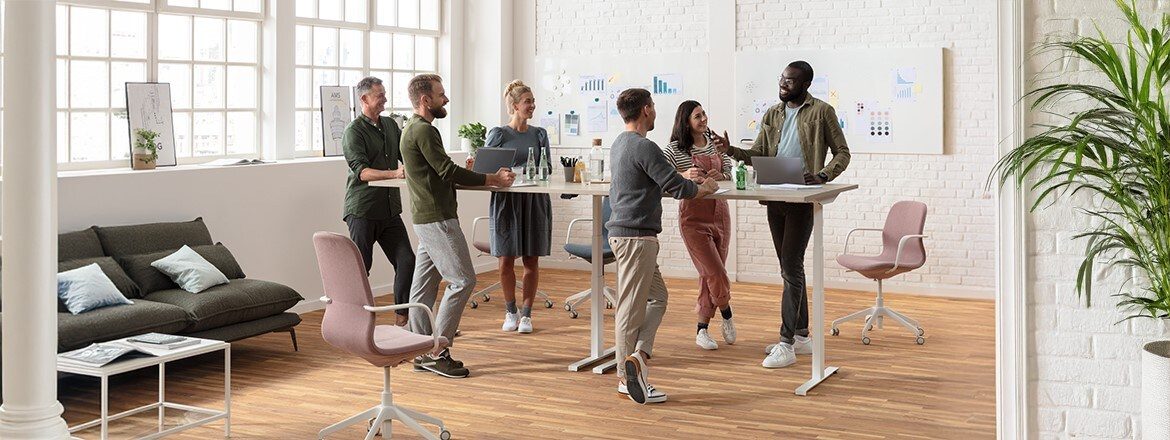
Occupancy follows satisfaction, and satisfaction improves when spaces help members move without friction. Australian adults sit for about 9 hours per day. Breaking up sitting every 30 minutes reduces cardiometabolic risks. The goal isn’t to stand all day, but to avoid prolonged static postures and to make posture changes regular and easy. In workplaces, guidance is clear: both prolonged sitting and prolonged standing carry risks; design should make brief, frequent movement the default.
Movement beats static.
Treat movement as a design requirement, not a perk. Baker Institute research shows continuous sitting is linked to a higher risk of heart disease, type 2 diabetes, and some cancers, and that exercise alone may not fully offset the harm of long sitting bouts; regular breaks matter.
Step 1: Map activity zones.
Audit your floor into quiet focus, collaborative, and “in between” micro zones. Australian Activity-Based Working studies associate the ability to choose the right setting with higher satisfaction and perceived productivity. Create paths, sightlines, and acoustic buffers to make moving between zones easy and socially acceptable.
Step 2: Equip micro zones for effortless posture change.
Height-adjustable stations with simple controls reduce friction; digital panels and apps that remember positions and nudge sit-stand intervals turn good intentions into habits and are especially valuable for hot-desk members who don’t want to recalibrate every time. Place these in high-density areas and team tables, not just at hot desks.
Step 3: Set cultural cues, not rules.
Encourage 30-minute movement breaks and keep standing meetings under ~40 minutes. Use visual prompts (room signage, calendar templates) and coach staff to model behaviour. Movement policy should feel supportive, not prescriptive.
Step 4: Build “Rise & Recharge” nudges into operations.
Promote movement break reminders as part of onboarding and member comms, referencing the Baker Institute’s recommendation to interrupt sitting regularly. Where possible, align your desk-level nudges with app-level prompts, and position break-friendly areas along natural circulation routes.
Step 5: Track usage and iterate.
When available, use privacy-respecting desk data (e.g., stand minutes or adjustment frequency) to identify which areas support healthy routines, and pair it with booking analytics to tune seat mix and equipment locations. Share anonymised wins with members to build trust and a wellness-aware brand.
Step 6: Package it into value.
Create “movement-friendly” membership perks: standing-friendly meeting formats, short walking routes for calls, and a “move more” onboarding. Australian programs promoting “sit less, move more” report reduced musculoskeletal discomfort and increased energy, benefits that prospective members understand when touring and on landing pages.
Measure what matters.
Track three KPIs monthly: (1) workstation utilisation in movement-friendly zones, (2) Net Member Promoter Score, and (3) occupancy by plan type. Add a quarterly pulse on discomfort/energy to catch design issues early. Over time, correlate movement-friendly amenities with renewals and referrals; that’s your ROI story.
Bottom line:
Movement-centric design is a responsible, low-cost lever for improving member well-being and perceived productivity. Make posture change easy, normal, and data-guided. Do that, and occupancy tends to follow, because people return to spaces that help them feel and perform better, day after day.
Learn more
Notes on sources folded in
- Baker Institute Rise & Recharge (nine hours; 30 minute breaks; health risks of uninterrupted sitting). [baker.edu.au], [play.google.com]
- Safe Work Australia guidance on sitting/standing and risk management. [safeworkau...lia.gov.au]
- ABW research linking appropriate settings to satisfaction/productivity. [msd.unimelb.edu.au]
- Digital desk nudges and usage tracking to support habits and iteration. [linak.com.au]
- National program evidence on reduced discomfort and increased energy from “sit less, move more.” [habs.uq.edu.au]
Fiona Mayor
Contributor
Related articles
The Community Manager's AI Toolkit: Save Hours, Work Smarter
Managing a coworking space is rarely just one job. You're the welcome committee, the content creator, the event planner, the inbox wrangler, and the person members call when the Wi-Fi goes down. The g

9 Key Benefits of Joining a Coworking Community
If you've been working from home alone for a while, or you're tired of paying for a full office lease your small team doesn't need, you've probably started wondering whether there's a better way. Ther
What Is a Coworking Space? Your Complete Guide to Modern Flexible Workspaces
The traditional office is no longer the only option for getting work done. Whether you're a freelancer, startup founder, remote worker, or small business owner, coworking spaces offer a compelling alt
Industry newsletter
Stay ahead of the flex curve
Join Australia's flexible workspace community and get the latest industry news, research, events and member-only offers delivered straight to your inbox.
- Monthly industry insights & research
- Early access to events and offers
- News from members, sponsors and partners